
As winter approaches, making your home warm and comfortable becomes a priority. The right furnishings can make a big difference, helping to keep heat in, block draughts, and create a more inviting space.
In this guide, we’ll cover practical tips for winter-proofing your home, from choosing the right rugs and carpets to selecting curtains and blinds that help retain warmth. Whether you’re looking for small updates or bigger changes, these ideas will help make your home more comfortable this season.
Carpets and rugs
Cold floors are one of the quickest ways to make a home feel chilly in winter. Heat escapes quickly through poorly insulated floors.
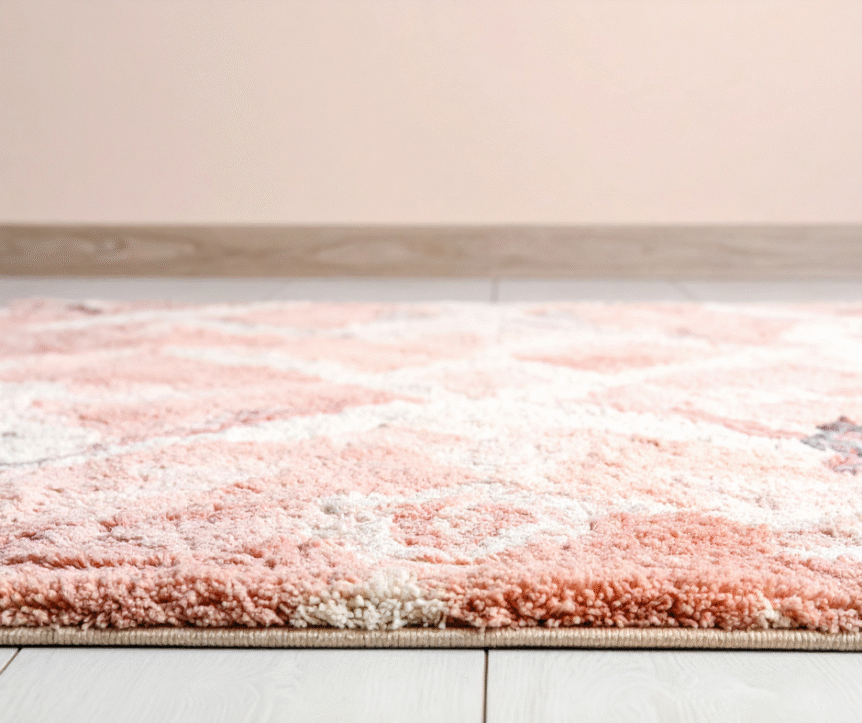
Adding rugs or carpets not only keeps your feet warm but also helps insulate the room and reduce heat loss.
When choosing carpets, remember that material matters. Wool is one of the best choices for a warm carpet as it’s naturally insulating. If you’re looking for a cheaper option, nylon or polyester blends can also be beneficial. As anyone would expect, thicker carpets trap more heat – but they can also trap more dirt and can be more difficult to clean.
Investing in a good rug is also a good hack to increase warmth. It’s cheaper than changing a whole carper, but it still adds an extra layer onto a hard floor.
Curtains
It’s estimated that 25-30% of heat loss occurs through windows. If you don’t have well-insulated double or triple glazing, your curtains will have to do a lot of the heavy lifting to keep heat in.
Similarly to carpets, material is a big factor in keeping heat in. This fabrics like heavy cotton or velvet will help trap heat inside the room. Linings are also important – thermal or blackout linings really help reducing draughts.
Consider longer curtains too, as this can reduce gaps where heat can escape.
Flooring
If heat loss is a constant problem for your home every winter, it might be worth considering a bigger change like new flooring.
Although it can seem like a big upfront cost, you’ll reap the rewards for winters to come as energy efficiency is increased, reducing energy bills.
Solid wood or engineered timber is often warmer than stone or tile. Whilst vinyl or laminate can feel cooler than this, add a thermal underlay to enhance warmth. It could even be worth adding underfloor heating to stone or tile floors.
Quick fixes
New carpets, curtains and flooring can be a big decision for many. You don’t always need full renovations to make your home feel warmer – sometimes simple changes can help too.
- Add runners and rugs: Place rugs in hallways or in front of beds to reduce cold underfoot.
- Swap curtains seasonally: Use thicker, lined curtains or thermal blinds during winter to trap heat and block draughts.
- Check window and door draughts: Use draught excluders or seals to prevent cold air from entering and warm air from escaping.
- Layer soft furnishings: Cushions, throws, and blankets not only add style but also provide extra warmth in living areas.
- Rearrange furniture: Move seating away from cold walls or windows and closer to the warmth of radiators or fires.
Making your home warm and comfortable this winter doesn’t have to be complicated. Small changes, like adding rugs, swapping to lined curtains, or using insulating blinds, can have a big impact on comfort and energy efficiency.
Focus on practical adjustments that suit your space and lifestyle, and your home will feel more inviting and cosy throughout the colder months. With the right choices, winter can be a season to enjoy your home to the fullest.
For advice on all things flooring, curtains or blinds, get in touch with our friendly team at Brookside. We’re more than happy to help.